
Current Public Infrastructure Projects in the Twin Cities Metro Area: What Residential Property Owners Should Know About Eminent Domain in 2026
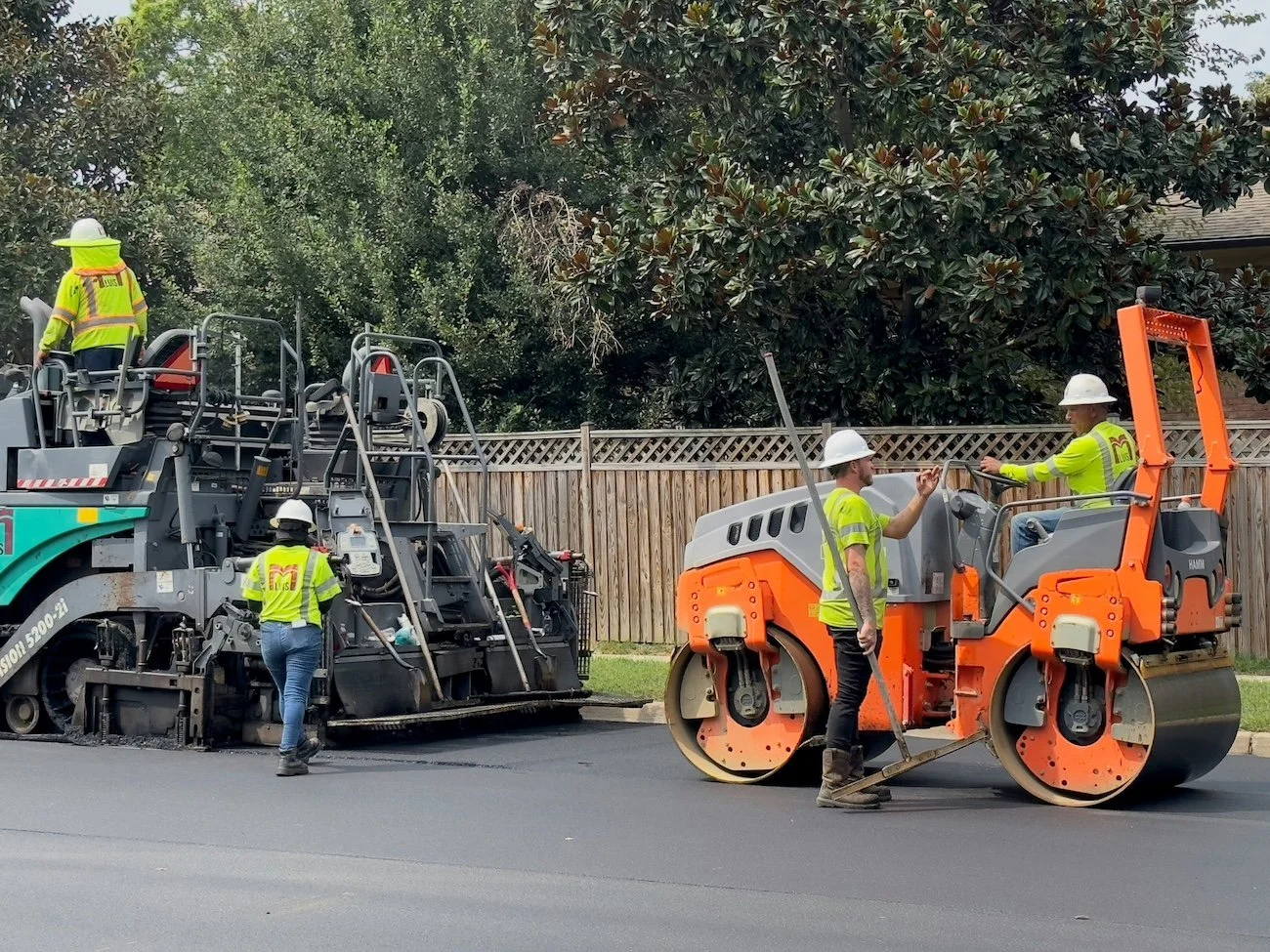
Across the Twin Cities metro area, public infrastructure projects continue to expand and evolve. Road widenings, intersection reconstructions, transit improvements, drainage upgrades, and corridor redesigns are all common throughout the 10-county region surrounding Minneapolis and St. Paul.
For many homeowners, the first indication that a project may affect their property comes in the form of a letter, a public hearing notice, or survey stakes placed near the edge of their yard. By that point, planning has often been underway for months or years.
At Morphew Law Office, PLLC, we regularly advise residential property owners in Minnesota who are impacted by these types of public projects. Understanding how infrastructure development typically leads to residential acquisitions can help homeowners make informed decisions early in the process.
The Types of Projects Most Likely to Affect Residential Property
While every project is unique, most residential eminent domain cases in the Twin Cities metro area arise from a few recurring categories.
1. County and State Road Widening Projects
As traffic volumes increase in suburban communities throughout Hennepin, Ramsey, Dakota, Washington, Scott, Carver, Wright, Anoka, Sherburne, and Isanti Counties, roadway expansions are common.
These projects often require:
Narrow strip takings along front yards
Sidewalk and trail easements
Utility easements
Slope easements for grading adjustments
Even a relatively small strip acquisition can change:
Setback distances
Yard configuration
Tree coverage
Driveway slope or width
Overall curb appeal
In partial residential takings, Minnesota law measures damages using a “before and after” valuation method — analyzing how the project affects the overall market value of the property, not simply the value of the land taken.
2. Intersection Reconstructions and Turn Lane Additions

Intersection upgrades often create unique impacts on corner lots and properties near signalized intersections.
Potential residential impacts include:
Reduced driveway access flexibility
Prohibited left turns
Increased traffic proximity
Loss of landscaping buffers
Noise changes
Minnesota law distinguishes between compensable loss of access and non-compensable inconvenience. That distinction becomes critical in residential cases where driveway configuration is altered but not eliminated.
3. Transit and Corridor Improvements
Metro-area transit expansions and bus corridor redesigns sometimes require:
Permanent easements
Utility relocations
Temporary construction easements
Retaining walls
Sound barriers
For residential property owners, temporary construction easements can be particularly disruptive. While labeled “temporary,” these easements may last for extended periods and affect driveway access, yard usability, and overall enjoyment of the property during construction.
The valuation analysis must consider whether construction impacts create measurable market effects.
4. Drainage and Stormwater Projects
As communities address stormwater management and flood mitigation, infrastructure upgrades sometimes require:
Drainage easements
Infiltration basins
Regrading
Subsurface utility installations
Although these projects may appear minor on paper, changes to slope, water flow, and drainage patterns can influence residential market perception and long-term usability.
How the Eminent Domain Process Typically Unfolds
For homeowners in the Twin Cities metro area, the process usually follows a predictable sequence:
Planning Phase – Public meetings, corridor studies, engineering design.
Appraisal Phase – Government appraiser inspects and issues a valuation.
Offer Phase – Written offer is made to the homeowner.
Condemnation Petition Filed – If no agreement is reached.
Commissioner Hearing – Damages determined through evidence.
Potential Appeal – Either party may appeal to district court.
Many residential property owners focus exclusively on the initial offer. However, once a condemnation petition is filed, the valuation process shifts to a more formal evidentiary framework.
Common Residential Misconceptions
Over time, several recurring misconceptions appear in residential cases:
“It’s only a small strip — it won’t matter.”
Small strip takings can significantly alter buyer perception, especially when they:
Move the roadway closer to the home
Eliminate mature tree buffers
Change driveway approach angles
Market value is influenced by perception as well as square footage.
“The government’s appraisal must be accurate.”
Government appraisals are opinions of value — not binding determinations. They may rely on:
Limited comparable sales
Assumptions about access impact
Minimal analysis of buyer reaction
Independent valuation analysis can materially affect the outcome.
“Temporary easements don’t count.”
Temporary construction easements can influence:
Marketability during listing periods
Financing timing
Buyer hesitation
Extended inconvenience
While not every inconvenience is compensable, the impact should be evaluated carefully.
Why Early Evaluation Matters
The earlier a residential property owner evaluates potential damages, the more strategic options remain available.
Before the commissioner stage:
Appraisal strategy can be developed
Engineering impacts can be analyzed
Comparable sales can be refined
Negotiation leverage can be assessed
Waiting until construction begins often limits flexibility.
At Morphew Law Office, PLLC, residential eminent domain cases are approached with a structured focus on:
Before-and-after valuation methodology
Market-supported damage analysis
Metro-area comparable trends
Long-term resale implications
The objective is to ensure compliance with Minnesota’s constitutional requirement of just compensation — not merely acceptance of an initial offer.
Frequently Asked Questions
Can a city or county take part of my yard in Minnesota?
Yes, if the taking is for a valid public purpose and proper procedures are followed. You are entitled to just compensation for the impact on your property.
How are damages calculated for a partial residential taking?
Minnesota uses a before-and-after valuation method, measuring the difference in fair market value caused by the acquisition and project effects.
Do I have to accept the initial written offer?
No. If a condemnation petition is filed, compensation is ultimately determined through the commissioner process unless resolved by agreement.
Does every construction impact qualify for compensation?
No. Minnesota law distinguishes between compensable property damage and non-compensable inconvenience. Proper legal and valuation analysis is required.
Final Thoughts for Twin Cities Homeowners
Public infrastructure projects are a constant feature of growth throughout the Twin Cities metro area. Most are planned years in advance and affect residential properties incrementally along corridors.
For homeowners in Minneapolis, St. Paul, and surrounding counties, the key is understanding that a filed petition or initial offer does not end the valuation discussion. It begins a formal process designed to determine just compensation.
If your residential property is being acquired or partially taken for a public project, Morphew Law Office, PLLC focuses specifically on representing Minnesota property owners in eminent domain matters. A structured evaluation early in the process can materially influence compensation outcomes.
This article is provided for informational purposes only and does not constitute legal advice. Each eminent domain matter requires fact-specific analysis under Minnesota law.