
Understanding the Quick Take Eminent Domain Procedure in Minnesota
What Minnesota Property owners Need to Know About “Quick-Take” Eminent Domain
If you’re a property owner in the Twin Cities metro area, the term “quick-take” in an eminent domain proceeding can feel abrupt, and it’s for a good reason. Unlike traditional condemnation actions, a quick-take allows a government entity to acquire title and possession of your property before final compensation is determined.
This post breaks down how the quick-take process works in Minnesota, what rights you retain as a property owner, and where risk, and opportunity, exists in these cases.
What Is a “Quick-Take” in Minnesota?
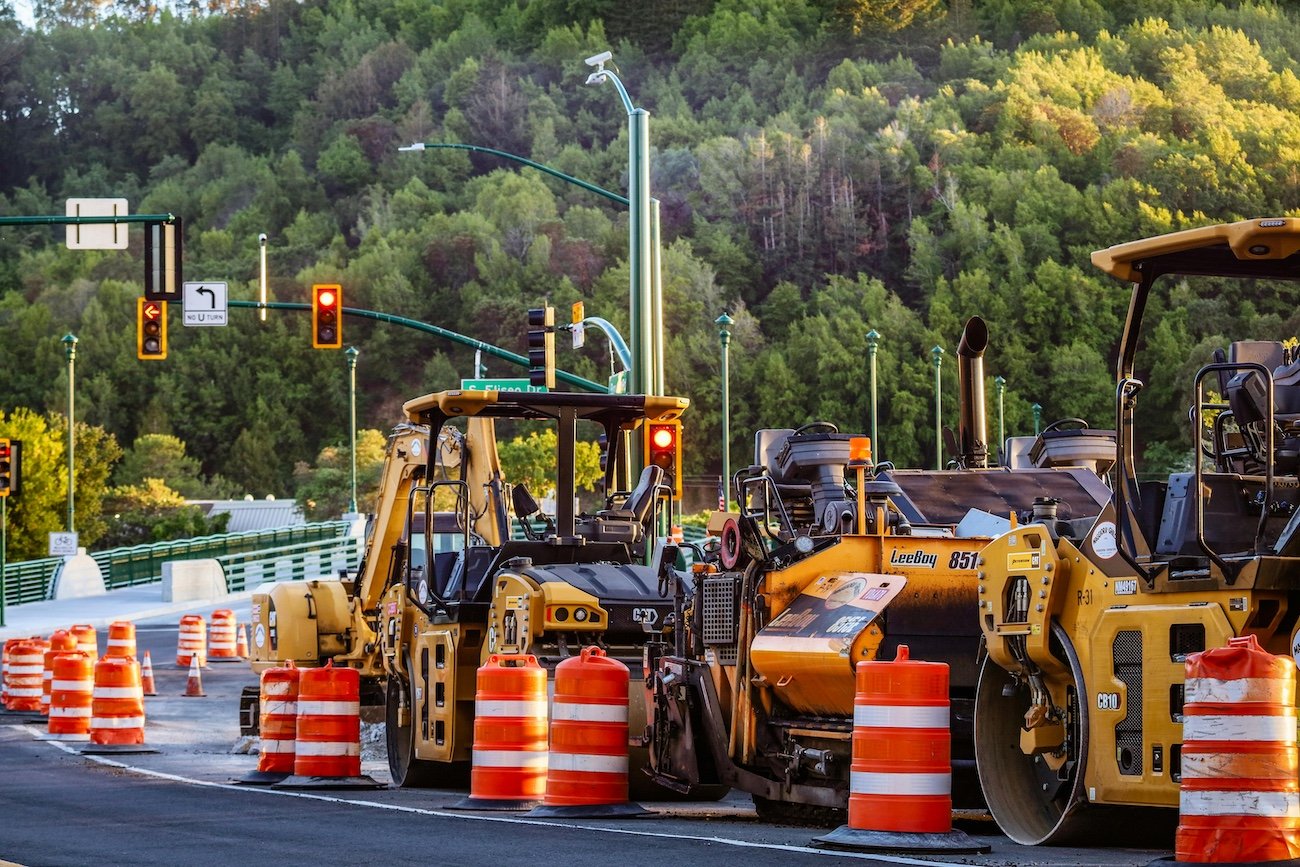
Under Minnesota law, a “quick-take” is a statutory procedure that allows a condemning authority (such as a city, county, or MnDOT) to take possession of property shortly after filing a condemnation petition.
In practical terms, this means:
The government files a condemnation petition in district court.
The court appoints commissioners to determine just compensation.
Before that valuation process is complete, the government deposits an amount it believes to be just compensation.
Upon deposit, the government can take title and possession of the property.
For property owners, the key distinction is timing: you may be required to give up possession of your property before the final compensation amount is determined.
Why Do Condemning Authorities Use Quick-Take?
Quick-take authority is most often used for public infrastructure projects where timing is critical, such as:
Road expansions or reconstructions
Utility installations
Public transit projects
Safety-related improvements
From the government’s perspective, delays in possession can significantly impact project timelines and budgets. Quick-take minimizes those delays.
What Happens to You as a Property owner?
Once a quick-take is granted and the deposit is made, several things happen quickly:
1. Title Transfers Early
Ownership of the property transfers to the condemning authority upon deposit of the court-approved amount.
2. You May Need to Move Before Final Valuation
If the use of this procedure results in the total acquisition of your property, you may be required to vacate the property before the final compensation determination is made.
3. You Can Withdraw the Deposit
You typically have the right to withdraw the deposited funds without waiving your right to challenge the amount of compensation. This is a critical point. Many property owners hesitate here unnecessarily.
4. The Valuation Fight Continues
The case proceeds through the commissioner process (and potentially appeal), where the ultimate issue is determining “just compensation.”
Understanding “Just Compensation” in This Context

The deposit made by the condemning authority is not necessarily the final number. In many cases, it reflects an initial appraisal that may undervalue the property.
For property owners, just compensation can include:
Fair market value of the property taken
Damages to the remainder property (if partial taking)
Loss of access or changes in usability
Impact on highest and best use
The quick-take procedure does not reduce your substantive rights. It only accelerates the government’s possession.
Strategic Considerations for Property owners
Quick-take cases require a slightly different strategic approach than traditional condemnation matters.
Timing Becomes Critical
Because possession can occur early, property owners need to evaluate their position quickly. Waiting too long to engage counsel or valuation experts can limit options.
Early Appraisal Review Matters
The government’s initial valuation often sets the tone for negotiations. A prompt, independent review can identify gaps or unsupported assumptions.
Relocation Issues Should Not Be Overlooked
In total acquisition cases, displacement triggers potential relocation benefits under applicable law for tenants, homeowners and businesses. These benefits are separate from just compensation and can be significant.
Leverage Still Exists
Even though the government has possession, the valuation dispute remains open. Many cases settle after the commissioner award but before trial, particularly when strong valuation evidence is presented.
Common Misconceptions About Quick-Take
“Once They Take Possession, the Case Is Over”
Incorrect. The compensation process continues, and many property owners recover more than the initial deposit.
“I Shouldn’t Withdraw the Deposit If I Disagree”
Also incorrect. In most cases, you can withdraw the funds without prejudicing your claim for additional compensation.
“The Government’s Appraisal Is Final”
Not at all. It is simply one opinion of value, and it’s often a conservative one.
Practical Steps If You Receive a Quick-Take Notice
If you are a property owner facing a quick-take, consider the following steps immediately:
Review the Petition Carefully
Understand what property rights are being acquired (fee title, easement, etc.).
Track Deadlines
Eminent domain proceedings move quickly, particularly under quick-take authority.
Consult an Experienced Eminent Domain Attorney
Early involvement can materially affect the outcome.
Obtain an Independent Valuation
Do not rely solely on the government’s appraisal.
Evaluate Relocation Benefits
These are often underutilized but can provide meaningful financial support.
How These Cases Typically Resolve
Most quick-take cases follow a predictable trajectory:
Initial deposit based on government appraisal
Commissioner hearing and award
Potential appeal by either party
Settlement negotiations at various stages
In residential and commercial matters, outcomes often hinge on the quality of valuation evidence and the ability to demonstrate real-world impacts on the property.
Final Thoughts
Quick-take eminent domain proceedings are designed for efficiency, but that efficiency can create pressure for property owners. The key is understanding that while the timeline is accelerated, your rights to just compensation remain intact.
Early, informed action is the difference between accepting the government’s number and achieving a result that fully reflects the value of your property.
Need Guidance on a Minnesota Eminent Domain Matter?
If your property is affected by a quick-take or any other eminent domain action, Morphew Law Office focuses on representing Minnesota property owners throughout the condemnation process.
We work to ensure that you understand your rights, evaluate the true impact of the taking, and pursue the full compensation you are entitled to receive.
Contact us today to discuss your situation.